
Toughened vs Laminated Pond Glass
When planning a koi pond or raised garden pond with a viewing window, one of the biggest questions people ask is what type of glass they actually need. Terms like toughened glass, laminated glass, and toughened laminated glass are often used interchangeably online, which can make the whole process unnecessarily confusing.
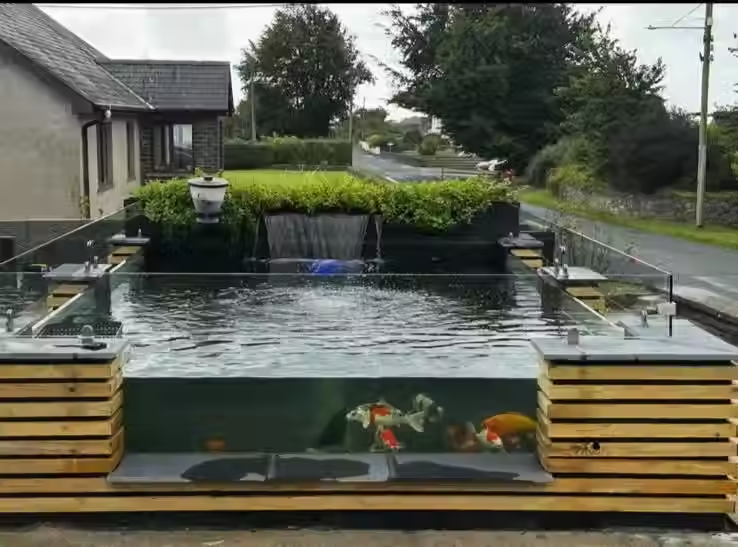
The reality is that pond viewing windows are very different from ordinary glass panels. A pond window is not decorative glazing; it is a structural part of the pond wall that must withstand constant water pressure day after day, year after year.
Choosing the correct type of glass is therefore one of the most important parts of any pond build.
In this guide, we will explain the difference between toughened and laminated pond glass, why both matter, and why most professional koi pond viewing windows use a combination of the two.
What Is Toughened Glass?
Toughened glass, sometimes called tempered glass, is glass that has been heat-treated during manufacturing to make it significantly stronger than standard float glass. The heating and rapid cooling process changes the internal stresses within the glass, increasing its strength and impact resistance.
For pond applications, this extra strength is extremely important because the glass must withstand the constant hydrostatic pressure from the water inside the pond. The deeper the pond becomes, the greater the pressure on the viewing window.
One of the key safety features of toughened glass is the way it breaks. Instead of shattering into large, sharp shards, it breaks into thousands of smaller, blunt fragments. This reduces the risk of serious injury compared to ordinary glass.
However, while toughened glass is strong, it also has limitations. If a toughened glass panel fails, the entire pane can suddenly and completely break. In a pond environment, this can obviously create a serious issue, particularly with larger viewing windows holding back a substantial volume of water.
That is why toughened glass alone is not usually considered the best solution for structural pond viewing windows.

What Is Laminated Glass?
Laminated glass is made by bonding multiple layers of glass together using a special interlayer, typically PVB or EVA. This interlayer acts like a transparent adhesive sheet between the panes.
The major advantage of laminated glass is that it is less likely to crack. Rather than collapsing or falling apart, the broken pieces remain attached to the interlayer. The panel remains largely intact even after damage.
This is one of the reasons laminated glass is widely used in applications where safety is critical, such as car windscreens, balustrades, overhead glazing, and structural architectural glass.
For pond windows, this retained integrity is incredibly valuable. A laminated panel provides an additional level of protection because the glass layers remain bonded even if one layer becomes damaged.
However, laminated glass alone does not provide the same impact resistance and structural strength as toughened glass. That is why pond windows generally use both technologies together rather than choosing one or the other.
Why Pond Viewing Windows Use Toughened Laminated Glass
Most professionally manufactured pond-viewing windows are made from toughened laminated glass. This combines the strength of toughened glass with the safety retention benefits of laminated glass.
In simple terms, toughened laminated pond glass gives you the best of both worlds.
The toughened layers provide the structural strength needed to withstand water pressure, while the laminated construction helps the panel remain intact if damage ever occurs.
This is particularly important in koi ponds, where viewing windows are often large and are subject to significant pressure for long periods. Unlike standard household glazing, pond glass is under constant structural load every minute of the day.
A properly specified toughened laminated panel is designed specifically for this type of environment. The thickness of the glass is calculated based on factors such as the pond depth, the width of the opening, and the overall water pressure acting on the panel.
That is why professional pond glass suppliers do not simply sell standard off-the-shelf glazing.
Every pond project requires careful specification to ensure the glass is suitable for the intended application.

How Water Pressure Affects Pond Glass
One of the biggest misunderstandings surrounding pond windows is how much force water can create. Water may seem gentle, but it becomes surprisingly heavy when contained within a deep pond.
As pond depth increases, so does hydrostatic pressure. This pressure constantly pushes against the pond wall and the viewing window. A shallow decorative pond may place relatively little stress on the glass, but a deeper koi pond can exert significant force over a wide surface area.
This is why glass thickness matters so much. A larger or deeper pond window typically requires thicker laminated glass to distribute the structural load safely.
Professional pond glass suppliers calculate these specifications carefully to ensure the viewing window remains safe, durable, and reliable over time.
What Happens If Pond Glass Breaks?
This is one of the most common concerns among pond owners, and understandably so.
The good news is that properly manufactured toughened laminated pond glass is extremely safe when correctly specified and installed. Failures are rare, particularly when the glass has been manufactured specifically for structural pond use.
If damage does occur, the laminated interlayer helps keep the glass together rather than allowing the entire panel to collapse instantly. This added protection is one of the major reasons laminated construction is so important for pond viewing windows.
Another important safety feature is heat soaking. Many high-quality pond glass panels are heat-soaked after toughening to further the already low risk of spontaneous breakage caused by nickel sulphide inclusions.
While spontaneous breakage is uncommon, heat soaking provides additional reassurance for structural applications where long-term reliability matters.
Is Toughened Glass Alone Safe for Ponds?
For smaller non-structural applications, toughened glass may sometimes be suitable, but for pond viewing windows, particularly larger koi pond windows, toughened laminated glass is generally considered the correct solution.
Using standard toughened glass alone can introduce unnecessary risk because the panel lacks the retained integrity provided by lamination. If failure occurs, the entire pane may break away completely.
For this reason, most reputable pond glass suppliers manufacture viewing windows using multiple toughened laminated layers designed specifically for structural water-retaining applications.
Which Glass Is Best for Koi Pond Viewing Windows?
For most koi ponds and raised pond builds, toughened laminated heat-soaked glass is considered the best and safest option.
It offers the strength to withstand constant water pressure while providing additional protection should damage occur. Combined with correct thickness calculations, proper installation, and pond-safe sealants, it creates a viewing window that is both beautiful and structurally reliable.
A pond viewing window transforms the entire experience of owning a koi pond. Being able to watch your fish move through the water from the side rather than above adds depth, movement, and a completely different perspective to the pond.
Choosing the right glass is what makes that possible safely.
If you are planning a pond project and are unsure of the specifications you need, it is always best to speak with a specialist pond glass supplier, like Fusion Glass, who can advise on the correct thickness, sizing, and construction for your pond design.


Comments